



Table of Contents
- What Makes Clothing Truly Ethical
- Sustainable Clothing Brands in Canada Worth Supporting
- How to Identify Greenwashing and Verify Authenticity
- Ethical Fashion Certifications That Matter
- How to Build a Sustainable Wardrobe on Any Budget
- Sizing, Inclusivity, and Custom-Fit Solutions
- Conclusion
- Frequently Asked Questions
Last Updated: September 2, 2026
What Makes Clothing Truly Ethical
Ethical clothing centers on three pillars: fair labor practices, environmental responsibility, and supply chain transparency. A brand claiming to be ethical should demonstrate how workers are treated, what materials are used, and where production happens.
Greenwashing is rampant, brands use one organic component while the rest relies on synthetics produced under questionable conditions. True ethical clothing requires intentionality across the entire process, not selective sustainability measures.
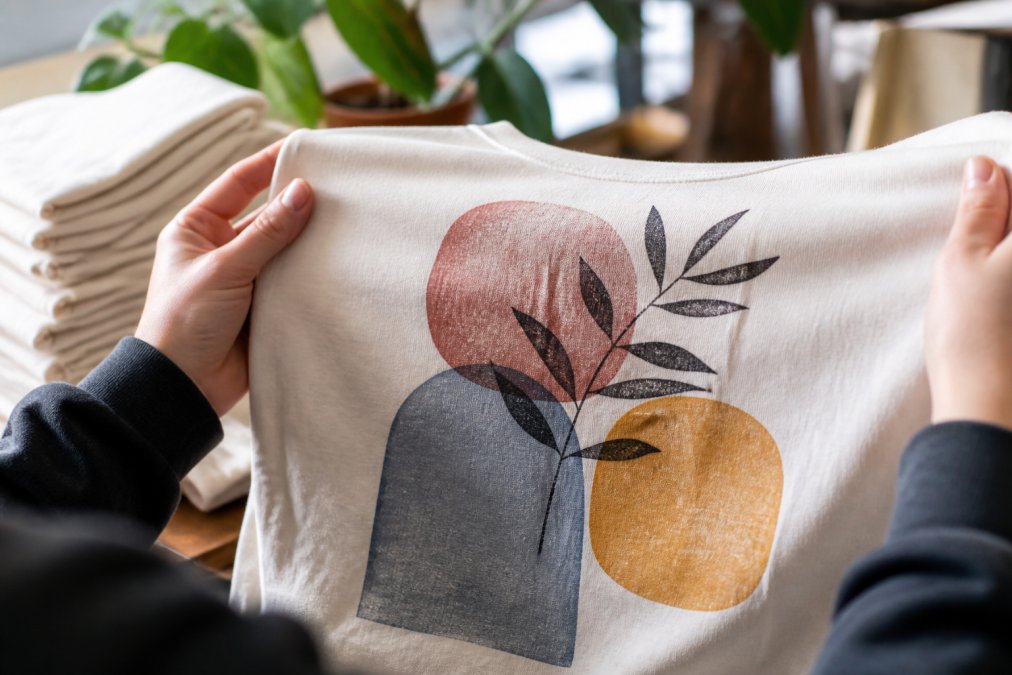
At Thief and Bandit, every garment is handmade in-house using organic textiles and non-toxic, water-based inks. This eliminates supply chain complexity and ensures complete control over labor conditions and sourcing. The made-to-order model means zero waste, since we only make what customers order.
The real test isn't marketing language but verifiable proof. Look for brands publishing factory audit reports, listing specific certifications, and explaining sourcing decisions in detail. Vague promises about "sustainability" without documentation are red flags.
Sustainable Clothing Brands in Canada Worth Supporting
Several strong options exist across different price points and categories, demonstrating genuine commitment to sustainable practices, transparent sourcing, and fair labor standards.
Handmade and Made-to-Order Options
Thief and Bandit, Handprinted Apparel with Complete Transparency
Every piece is handmade in Nova Scotia using organic textiles and non-toxic, water-based acrylic inks. The made-to-order model eliminates overproduction entirely. Complete vertical integration means you know exactly where your garment is made and by whom. Inclusive sizing from XS to 4X with custom sizing available ensures proper fit across all body types.
Encircled, Toronto-Made Wanderleisure Pieces
Encircled designs and manufactures locally in Toronto, maintaining complete control over labor conditions. The brand focuses on versatile, multi-functional pieces for travel and everyday life, reducing consumption through fewer, better items. All garments use sustainable fabrics including Tencel, organic cotton, and recycled materials. Certified B Corp status means rigorous assessment of social and environmental performance.
Certified B Corp Brands with Transparent Supply Chains
Kotn, Egyptian Cotton with Community Impact
Kotn sources 100% Egyptian cotton directly from farms, ensuring farmers receive fair prices. The brand funds new schools in the Nile Delta with every purchase. Certified B Corp designation requires independent verification; Kotn publishes detailed supply chain information, allowing customers to trace garments from farm to finished product. The minimalist design philosophy encourages long-term ownership.
Frank And Oak, Sustainable Materials Across Styles
Frank And Oak uses 100% responsible fabrics including organic cotton, recycled polyester, hemp, and Tencel. Certified B Corp status meets rigorous standards for social and environmental performance. The brand partners with organizations like Equitas for human rights initiatives.
Locally Manufactured Outerwear and Accessories
Wuxly Movement, Canadian-Made Vegan Parkas
Wuxly manufactures 100% of its outerwear in Canada, guaranteeing fair wages and regulated conditions. The brand uses high-performance vegan materials including PrimaLoft and Bluesign-approved recycled fabrics. The Trade Up program allows customers to recycle old parkas, supporting circular economy principles.
Poppy & Peonies, Métis-Founded Vegan Accessories
Founded by a Métis woman entrepreneur, Poppy & Peonies creates 100% vegan, cruelty-free handbags and accessories using recycled and biodegradable materials. The company supports women's empowerment and Indigenous communities through giving-back initiatives.
Matt & Nat, Montreal-Based Vegan Bags
Matt & Nat creates 100% vegan accessories using recycled materials, including linings made from recycled plastic bottles (over 9 million annually). Minimalist designs appeal to consumers seeking timeless pieces. The brand achieves significant material circularity through recycled nylon, cork, rubber, and windshield resins.
tentree, Tree Planting with Every Purchase
tentree plants ten trees for every item sold, creating direct environmental benefit. The brand uses sustainable materials including organic cotton, recycled polyester, and Tencel. Certified B Corp status demonstrates genuine commitment.
| Brand | Manufacturing Location | Key Materials | Certifications | Best For |
|---|---|---|---|---|
| Thief and Bandit | Nova Scotia, Canada | Organic cotton, water-based inks | Handprinted pieces, inclusive sizing | |
| Encircled | Toronto, Canada | Tencel, organic cotton, recycled | B Corp | Versatile travel pieces |
| Kotn | Egypt (direct sourcing) | 100% Egyptian cotton | B Corp | Quality basics, community impact |
| Frank And Oak | Various | Organic cotton, recycled polyester, hemp, Tencel | B Corp | Sustainable styles for all seasons |
| Wuxly Movement | Canada | Vegan materials, recycled fabrics | B Corp | Winter parkas, animal-free fashion |
| Poppy & Peonies | International | Recycled vegan materials | PETA-approved | Functional accessories, social impact |
| Matt & Nat | International | Recycled materials, vegan | Not certified | Minimalist vegan bags |
| tentree | Various | Organic cotton, recycled polyester, Tencel | B Corp | Everyday wear with environmental impact |
How to Identify Greenwashing and Verify Authenticity
Greenwashing involves making misleading claims about environmental or ethical practices without substantial evidence. Warning signs include vague language like "natural," "sustainable," or "ethical" without specific certifications or documentation.
Legitimate ethical brands provide detailed information about supply chains, labor practices, and material sourcing. Ask specific questions: Where is this garment made? Who made it? What certifications does the brand hold? How are workers compensated? If the brand can't answer clearly, that's a red flag.
Check for third-party verification. Certifications from independent organizations carry more weight than self-proclaimed sustainability. Look for B Corp, OEKO-TEX, Fair Trade, or similar independent audits. Research the brand's history and track record for any criticism or lawsuits related to labor or environmental practices.
Ethical Fashion Certifications That Matter
Understanding certifications helps distinguish genuine ethical brands from greenwashing.
B Corp Certification represents the most rigorous assessment. B Corps undergo independent verification of their entire business model, social and environmental performance, accountability, and transparency (bcorporation.net). Ongoing compliance and annual audits are required.
OEKO-TEX Certification focuses on material safety and environmental responsibility in textile production. OEKO-TEX Standard 100 ensures fabrics meet strict standards for harmful substances and that production processes minimize environmental impact.
Fair Trade Certification verifies that workers receive fair wages, work in safe conditions, and have the right to organize. Fair Trade International operates the most recognized certification.
Certified Organic for textiles means fibers were grown without synthetic pesticides or fertilizers. GOTS (Global Organic Textile Standard) verifies both fiber and processing methods (global-standard.org).
PETA-Approved Vegan certification confirms products contain no animal-derived materials and the brand hasn't tested on animals.
A brand with multiple certifications has invested in verification. A brand with no certifications but vague sustainability claims is likely greenwashing.
How to Build a Sustainable Wardrobe on Any Budget
Building an ethical wardrobe doesn't require replacing everything at once or spending a fortune. Start by assessing what you already own and identifying gaps. This prevents impulse buying and reduces waste.
Invest in quality basics first. A well-made organic cotton t-shirt costs more upfront but lasts years longer than fast fashion. Mix ethical brands with budget-conscious shopping, invest in one or two pieces from premium ethical brands and fill gaps with more affordable options.
The Cost-Per-Wear Calculation
Cost-per-wear is the most honest way to evaluate whether an ethical piece is affordable. Divide the price by the number of times you'll wear it.
A $150 organic cotton sweater worn 100 times costs $1.50 per wear. A $30 fast fashion sweater worn 10 times costs $3 per wear. The ethical option is cheaper over time. Be realistic about wear frequency and consider seasons, lifestyle, and long-term aesthetic appeal.
Managing Garment Lifecycle and End-of-Life Options
Repair and Alteration extends garment life significantly. A split seam, missing button, or zipper replacement costs far less than replacement.
Resale Platforms like Depop and Vestiaire Collective give clothing a second life. Handprinted or unique pieces often hold resale value because they're distinctive.
Donation to clothing banks, shelters, or textile recycling programs prevents landfill. However, repair and resale are preferable because they keep clothing in active use.
The most sustainable choice is buying less and wearing more. A smaller wardrobe of high-quality ethical pieces worn frequently beats a large wardrobe of cheap pieces worn occasionally.
Sizing, Inclusivity, and Custom-Fit Solutions
One of the biggest failures in ethical fashion is claiming "inclusive sizing" while offering the same design across all sizes. A design that fits a size 2 doesn't automatically fit a size 4X, proportions change and proper fit requires design adjustments.
Thief and Bandit addresses this through made-to-order production with custom sizing options. Rather than forcing customers into pre-made sizes, the brand works with customers to ensure proper fit across its full range from XS to 4X.
Ask brands how they ensure fit across size ranges. Do they grade designs proportionally? Do they test fit on multiple body types? Do they offer custom sizing? Many ethical brands still operate with limited size ranges (often XS-XL only), excluding significant populations.
Conclusion
Finding where to buy ethical clothing requires moving beyond marketing claims to verify actual practices. The brands listed above demonstrate genuine commitment through certifications, transparency, and operational choices that minimize environmental impact and ensure fair labor practices.
Thief and Bandit exemplifies this approach through handmade production in Nova Scotia using organic textiles and non-toxic inks, combined with made-to-order manufacturing that eliminates waste entirely. Inclusive sizing from XS to 4X with custom-fit options ensures ethical fashion works for diverse bodies. Learn more about B Corp certification standards to understand what verified ethical commitment looks like.
Building a sustainable wardrobe happens gradually. Start with one investment piece from a brand you trust, calculate the cost-per-wear, and plan your next purchase strategically. The shift from fast fashion to ethical clothing isn't about perfection, it's about making intentional choices that align with your values.
When you're ready to invest in pieces combining artistic design with production integrity, explore Thief and Bandit's handprinted collections. Shop Now and experience the difference that true ethical manufacturing makes.
Key Takeaways:
- Ethical clothing requires verifiable proof across labor practices, environmental responsibility, and supply chain transparency, not just marketing language
- Canadian brands like Thief and Bandit, Encircled, and Kotn offer genuine alternatives with complete control over production and materials
- Certifications from independent organizations (B Corp, OEKO-TEX, Fair Trade) indicate rigorous verification; self-proclaimed sustainability is a red flag
- Cost-per-wear calculations often show ethical basics cost less over time than constantly replacing fast fashion pieces
- True inclusivity requires design adjustments across sizes, not just grading a standard design up and down; made-to-order options solve this problem
- Planning for end-of-life (repair, resale, recycling) extends garment life and creates circular economy systems
Frequently Asked Questions:
How long does it take to receive a made-to-order piece?
Made-to-order timelines vary by brand. Thief and Bandit creates each piece by hand, so production time depends on current demand. Contact the brand directly for specific timeline information. The wait is worth it for a garment that fits perfectly and was made intentionally.
What's the difference between "sustainable" and "ethical" clothing?
Sustainable clothing focuses on minimizing environmental impact through materials and processes. Ethical clothing emphasizes fair labor practices and worker rights. The best brands address both. Look for certifications and transparency on both fronts.
Can I actually afford ethical clothing on a tight budget?
Yes, through strategic choices. Invest in one or two quality pieces from ethical brands and fill gaps with more affordable options. Use cost-per-wear calculations to evaluate whether something is actually expensive. A $100 piece worn 200 times costs less per wear than a $20 piece worn 15 times.
How do I know if a brand is actually ethical or just greenwashing?
Check for third-party certifications (B Corp, OEKO-TEX, Fair Trade). Visit the brand's website and look for detailed supply chain information. Ask specific questions about where production happens and how workers are compensated. Vague answers are red flags. Research the brand's history and any public criticism.
What should I do with clothing I no longer wear?
Repair if possible (extends life and saves money). Resale on platforms like Depop or local consignment shops gives pieces a second life. Donate to shelters or clothing banks. Textile recycling is the last resort. Avoid landfill at all costs.
Is handmade clothing actually better for the environment?
Handmade production by Thief and Bandit uses made-to-order manufacturing, which eliminates overproduction and waste. Each piece is created only when ordered, reducing environmental impact of unsold inventory. In-house production means complete control over materials and labor conditions, with no hidden supply chain complexity.
Frequently Asked Questions
How can I verify if a clothing brand is truly sustainable and not just greenwashing?
Look for third-party certifications like B Corp, OEKO-TEX, or Fair Trade Certified labels. Check the brand's supply chain transparency, ethical companies publish details about factories, materials sourcing, and labor practices. Ask specific questions: Where are garments made? What materials are used? Are workers paid living wages? Brands that avoid these details or use vague language like 'eco-friendly' without proof are likely greenwashing. Review independent sustainability ratings on platforms that assess brands across environmental and social metrics.
What's the difference between sustainable materials like organic cotton, hemp, and Tencel?
Organic cotton is grown without synthetic pesticides, reducing chemical pollution and supporting farmer health. Hemp requires minimal water and pesticides, grows quickly, and produces durable fabric. Tencel (lyocell) is made from wood pulp using a closed-loop process that recycles solvents, minimizing waste. Recycled textiles repurpose existing fibers, eliminating the need for new resource extraction. Each has benefits: organic cotton is breathable and soft, hemp is incredibly durable, Tencel blends sustainability with comfort. The best choice depends on garment type, durability needs, and your environmental priorities.
Is made-to-order clothing worth the wait time and cost compared to fast fashion?
Made-to-order eliminates overproduction and waste, meaning your garment is created specifically for you rather than mass-produced and discarded. While wait times vary (typically 2-8 weeks), you receive a unique piece tailored to your preferences. Cost depends on materials and labor; handmade ethical pieces cost more upfront but last significantly longer due to quality construction. Calculate cost-per-wear: a $150 made-to-order piece worn 100 times costs $1.50 per wear, while a $30 fast-fashion item worn 10 times costs $3 per wear. For conscious consumers, the environmental and ethical benefits justify the investment.
What ethical fashion certifications should I look for when shopping?
B Corp Certification verifies that companies meet rigorous social and environmental performance standards. Fair Trade Certified ensures workers receive fair wages and safe conditions. OEKO-TEX certifies textiles are free from harmful chemicals. GOTS (Global Organic Textile Standard) guarantees organic fiber production and ethical manufacturing. Look for these labels on product tags or brand websites. Certifications from reputable third parties provide accountability that self-proclaimed 'sustainable' claims lack. However, certifications alone don't guarantee perfection, combine them with research into the brand's specific practices and transparency.
How do I build a sustainable wardrobe without spending a fortune?
Start with a capsule wardrobe: invest in versatile, timeless basics in neutral colors that mix and match easily. Prioritize quality over quantity, buy fewer pieces that last longer. Shop secondhand or consignment for pre-loved items, extending garment life and reducing demand for new production. Focus spending on pieces you wear frequently; calculate cost-per-wear to justify investment in durable items. Support brands offering payment plans or seasonal sales. Thrift stores and online resale platforms offer ethical options at lower prices. Build gradually, choosing one or two new sustainable pieces per season rather than overhauling your wardrobe at once.
This article was written using GrandRanker