



Table of Contents
- What Makes Made-to-Order Clothing Different
- How Made-to-Order Reduces Waste and Environmental Impact
- Made-to-Order vs. Mass Production: The Sustainability Comparison
- Ethical Manufacturing and Supply Chain Transparency
- The Wait Time Reality and Cost-Per-Wear Analysis
- Sizing Accuracy and Fit in Made-to-Order Clothing
- Finding Ethical Clothing Brands in Your Market
- Conclusion
- Frequently Asked Questions
Last Updated: September 2, 2026
What Makes Made-to-Order Clothing Different
Made-to-order clothing crafts each piece only after a customer places an order, eliminating the overproduction inherent in mass manufacturing. Traditional fast fashion predicts demand months in advance and produces inventory that may never sell. Made-to-order eliminates this guesswork, a garment exists because someone specifically requested it.
This model also enables customization at scale. Customers can choose fabrics, colors, fits, and design elements. For inclusive sizing, made-to-order becomes particularly powerful. Brands like Thief and Bandit offer sizes from XS to 4X with thoughtful fit adjustments for each size, not just scaled-up versions of a standard pattern.
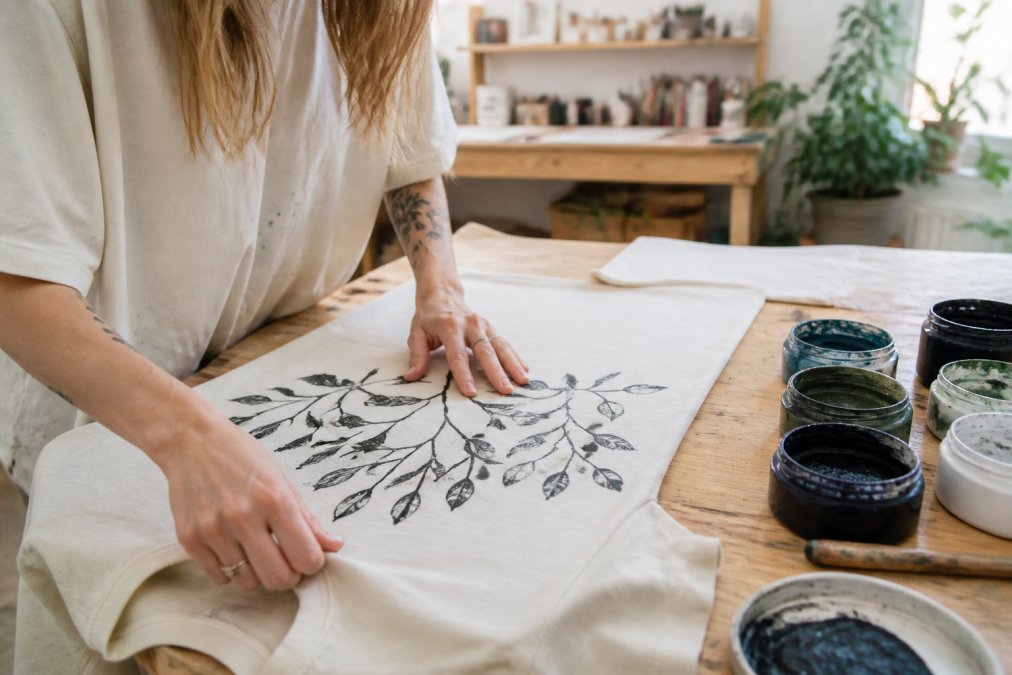
The process typically works like this: you browse available designs and customization options, place your order, and the brand manufactures your piece during a defined production window. This timeline, usually measured in weeks rather than days, is a critical trade-off that separates made-to-order from conventional retail.
How Made-to-Order Reduces Waste and Environmental Impact
The environmental case for made-to-order clothing is rooted in a simple fact: producing only what will actually be worn eliminates deadstock fabric and unsold garments. When brands manufacture on-demand, they purchase raw materials in quantities matched to actual orders, reducing overproduction dramatically.
The carbon footprint improves through reduced transportation and storage. Traditional retail requires shipping finished goods to warehouses, then to stores, then potentially back if items don't sell. Made-to-order shortens this chain considerably, with goods moving directly from production to the customer's door.
Material efficiency also improves. On-demand production allows brands to use sustainable materials without the financial risk of holding large inventories. Organic textiles, recycled fabrics, and specialty materials become more economically viable when production is tied to confirmed demand. Thief and Bandit uses organic textiles and non-toxic, water-based acrylic inks in every piece, a commitment that works precisely because production is tied to confirmed demand.
Small-batch production also enables better quality control. When you're making 50 units instead of 5,000, each garment receives more attention. Pieces that last longer are worn more often, which improves their cost-per-wear and reduces the frequency of replacement purchases.
Made-to-Order vs. Mass Production: The Sustainability Comparison
Mass production prioritizes speed and cost efficiency through large standardized runs, but generates significant waste. Overproduction is structural, brands must guess demand and manufacture accordingly, leaving unsold inventory as deadstock that ends up in landfills or is incinerated.
Made-to-order eliminates this waste stream. Every garment manufactured has a confirmed buyer. There's no speculation, no overstock, no inventory management problem.
However, made-to-order introduces different considerations. Longer production timelines require customers to plan purchases in advance. Individual shipments to customers can increase per-unit carbon footprint compared to bulk distribution, though when you account for waste eliminated by not producing unsold inventory, made-to-order typically comes out ahead environmentally.
Made-to-order production often supports more localized manufacturing, which can mean shorter supply chains and better working conditions compared to mass production's reliance on outsourced manufacturing in regions with lower labor costs.
| Aspect | Mass Production | Made-to-Order |
|---|---|---|
| Overproduction Waste | High (deadstock common) | Eliminated (made on demand) |
| Inventory Risk | Brand absorbs all risk | Customer absorbs wait time |
| Production Timeline | Fast (weeks to retail) | Slower (weeks to customer) |
| Transportation Efficiency | Bulk shipments to distribution | Individual shipments to homes |
| Quality Control | Standardized, high volume | Higher attention per piece |
| Supply Chain Transparency | Often opaque | Typically more visible |
| Customization Options | Limited to stock sizes/colors | Extensive customization |
Ethical Manufacturing and Supply Chain Transparency
Ethical manufacturing practices and supply chain transparency form the foundation of sustainable made-to-order clothing. When a brand controls production, especially in-house, customers can verify claims about working conditions and material sourcing.
Mass production typically involves multiple intermediaries, creating distance between the brand and actual production conditions. This complexity makes it difficult to verify ethical claims and is where greenwashing often occurs.
Made-to-order brands that manufacture in-house eliminate these layers. Thief and Bandit produces every garment in their Nova Scotia facility, controlling every step of the process. This is verifiable, customers can see exactly how pieces are made, what materials are used, and who's making them.
Transparency means documenting material sourcing, production methods, and labor practices. Responsible made-to-order brands publish this information openly, specifying which textiles they use, where they come from, and what certifications they hold. Water-based inks instead of petroleum-based alternatives, organic cotton instead of conventionally grown, non-toxic dyes, these choices are visible and verifiable.
In-house production in developed markets typically means regulated working conditions, fair wages, and stable employment, contrasting sharply with outsourced manufacturing in regions with weaker labor protections.
The Wait Time Reality and Cost-Per-Wear Analysis
Production windows for made-to-order typically range from 4 to 8 weeks from order to delivery. This timeline requires planning, you can't impulse-buy a garment and wear it this weekend. However, for customers who plan their wardrobes seasonally, the wait time becomes manageable and even beneficial, forcing intentionality and reducing impulse purchases.
The cost-per-wear analysis reveals where made-to-order's value emerges. A garment's true cost is the purchase price divided by the number of times you wear it. A $100 shirt worn 50 times costs $2 per wear; the same shirt worn 5 times costs $20 per wear.
Made-to-order garments typically cost more upfront but are designed to last longer and fit better. Better fit means you're more likely to wear the piece regularly. Durability means it survives many more wears. A fast fashion shirt costing $25 and surviving 10 wears costs $2.50 per wear (peer-reviewed research suggests). A made-to-order piece costing $80 but worn 100 times over several years costs $0.80 per wear, dramatically lower.
Sizing Accuracy and Fit in Made-to-Order Clothing
Fit accuracy is where made-to-order clothing delivers one of its most underrated advantages, especially for customers who've struggled with sizing inconsistencies in conventional retail.
Traditional retail operates with standardized sizing that assumes a particular body shape within each size range. This standardization creates fit problems for anyone whose body doesn't match the assumed proportions. Made-to-order brands address this through custom sizing and fit adjustments, adjusting the garment to your actual measurements rather than forcing your body into predetermined proportions.
The process typically works like this: you provide measurements or select from a detailed size chart that accounts for multiple dimensions. The brand adjusts pattern pieces, sleeve length, torso length, waist placement, and other variables. The result is a garment designed specifically for your body.
However, sizing accuracy depends on accurate measurement. Some brands address this by offering free exchanges if the first attempt doesn't fit. Because each piece is made specifically for you, returns are typically final or subject to a restocking fee, making this a more permanent decision than with mass-produced retail.
Finding Ethical Clothing Brands in Your Market
Identifying genuinely ethical made-to-order clothing brands requires looking beyond marketing language to verify actual practices.
Start with production location. Brands that manufacture locally or in-house in developed markets with regulated labor standards offer transparency that outsourced production typically cannot. Material sourcing matters significantly, legitimate sustainable brands specify their textiles with documented environmental credentials and certifications like GOTS for organic cotton or GRS for recycled materials.
Manufacturing processes deserve scrutiny. Water-based inks instead of petroleum-based, natural dyes instead of synthetic, low-water production methods indicate genuine commitment. Thief and Bandit uses non-toxic, water-based acrylic inks and organic textiles, verifiable material choices that reduce environmental impact.
Sizing inclusivity is another marker. Authentic commitment means offering extended sizes with fit adjustments for different body types, not simply scaling up a standard pattern. Ethical brands publish information about their supply chain, labor practices, and environmental impact, willing to answer questions about sourcing and production.
Third-party certifications provide external verification. Fair Trade certification, B Corp status, or industry-specific environmental certifications indicate that a brand's claims have been independently audited. Customer reviews and communities around sustainable fashion offer practical insight into whether brands actually deliver on their promises.
Conclusion
Made-to-order clothing is fundamentally more sustainable than mass production by eliminating overproduction, enabling quality craftsmanship, and creating supply chain transparency. The trade-offs are real: you wait longer, pay more upfront, and must plan ahead. However, for customers willing to embrace these trade-offs, made-to-order delivers genuine environmental benefits.
At Thief and Bandit, we've committed to this model entirely. Every piece is handmade in-house using organic textiles and non-toxic inks. We offer inclusive sizing from XS to 4X with fit adjustments for each size. We control every step of production, guaranteeing the environmental and ethical claims we make.
If you're ready to shift from fast fashion consumption to intentional, sustainable purchasing, made-to-order is worth the wait. Shop Now and experience the difference that thoughtful production and genuine craftsmanship make.
Frequently Asked Questions
How does made-to-order clothing reduce textile waste compared to mass production?
Made-to-order eliminates overproduction by manufacturing only what customers order, preventing deadstock and inventory waste. Mass production relies on forecasting demand and producing in bulk, often resulting in unsold garments that end up in landfills. By producing on-demand, made-to-order brands avoid the cycle of excess inventory and the environmental cost of storing, transporting, or discarding unwanted textiles. This approach directly addresses the textile waste crisis while respecting consumer demand.
Is made-to-order clothing actually more sustainable than fast fashion?
Yes, when produced responsibly. Made-to-order reduces overproduction waste, supports slower production timelines that allow for better quality, and often uses sustainable materials and ethical labor practices. However, sustainability depends on the producer's commitment to organic textiles, non-toxic dyes, local sourcing, and transparent supply chains. Not all made-to-order brands prioritize these elements. Look for brands that clearly communicate their manufacturing practices, material sourcing, and labor standards to verify genuine sustainability versus greenwashing.
What is the cost-per-wear advantage of made-to-order clothing?
Made-to-order garments typically cost more upfront but offer better cost-per-wear over time because they're built for durability and custom fit. A well-made piece worn for years costs less per wear than cheaper fast-fashion items worn a handful of times before deteriorating. Quality craftsmanship, proper fit through made-to-measure sizing, and intentional design mean the garment lasts longer and remains relevant to your style. This aligns with conscious consumerism principles where fewer, better pieces replace frequent, disposable purchases.
How can I verify that a made-to-order brand is truly ethical and sustainable?
Check for supply chain transparency: does the brand disclose where materials come from, how garments are made, and who makes them? Look for certifications or third-party verification of sustainable practices. Ask specific questions about materials (organic, deadstock, or recycled?), production methods (handmade, small-batch?), labor conditions, and waste management. Ethical brands are transparent about their processes and happy to answer questions. Be cautious of vague sustainability claims without supporting evidence or detailed information about their manufacturing practices.
Ready to invest in clothing that actually lasts? Thief and Bandit creates handprinted garments using organic textiles and water-based inks, with custom fit options for your body and your values. Every piece is made-to-order, zero-waste, and designed to be worn for years. Discover sustainable fashion that doesn't compromise on style or fit. Shop Now.
This article was written using GrandRanker